Commercial buildings are constantly expected to perform on multiple levels—structural strength, visual appeal, and long-term cost efficiency. Material selection plays a central role in meeting those expectations, especially when upgrading aging facades or designing new developments. One material that consistently meets all three demands is natural stone for building, widely used in commercial construction for its durability and timeless appearance.
From exterior walls to architectural accents, stone provides a level of permanence and authenticity that supports both functional performance and design intent in commercial environments where first impressions matter, and material choice directly influences how a property is perceived and valued.
The Role of Natural Stone in Commercial Upgrades
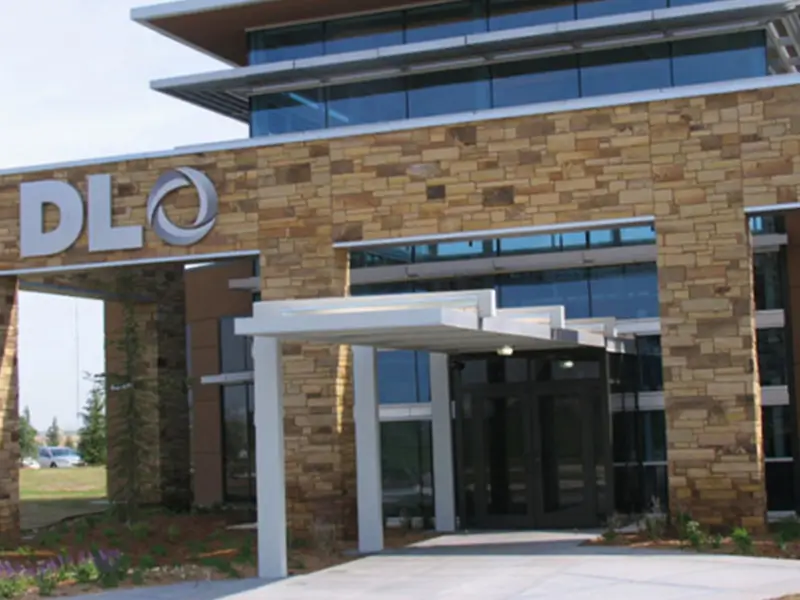
Commercial building upgrades often require materials that meet structural demands while supporting the overall architectural vision. Natural stone for building offers the flexibility to enhance office buildings, retail centers, hospitality properties, and other commercial spaces while complementing a wide range of design styles.
Available in a variety of colors, textures, and finishes, natural stone can be incorporated into exterior facades, entryways, columns, and landscape features to create a cohesive appearance. With a variety of finishes and styles available, natural stone can complement diverse architectural concepts while preserving the character and quality of the finished project.
Performance Benefits That Support Commercial Projects
Material performance is a key factor in any commercial upgrade. Beyond appearance, building owners need solutions that reduce maintenance demands and improve lifecycle efficiency. This is where stone as a building material consistently delivers value.
Structural Strength
Natural stone provides exceptional compressive strength, making it suitable for both load-bearing applications and protective exterior layers.
Weather Resistance
Stone naturally withstands harsh environmental conditions, including UV exposure, rain, wind, and temperature swings, without significant degradation.
Reduced Maintenance Over Time
Unlike painted or composite surfaces, stone does not require frequent refinishing. Regular cleaning is typically enough to preserve its natural appearance over time.
Visual Longevity
Stone maintains its natural color and texture for decades, ensuring the building continues to look stable and well-constructed over time.
These characteristics make stone particularly suitable for commercial properties focused on long-term operational efficiency.
Selecting the Best Stone for Commercial Applications
Choosing the best building stone requires more than selecting a color or finish. Commercial projects should consider architectural style, environmental conditions, installation requirements, and long-term maintenance to ensure the material performs well and complements the overall design.
Architectural Style
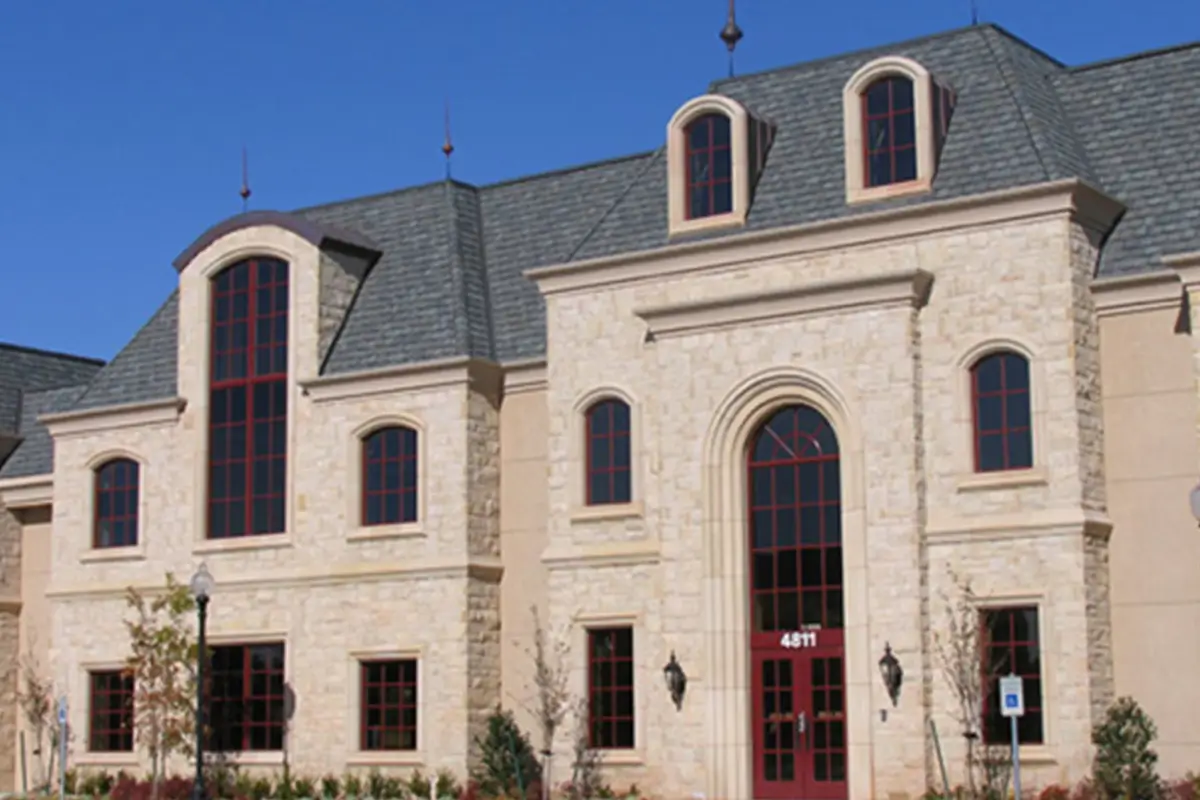
The selected stone should complement the building’s architectural style. Clean-cut limestone often suits contemporary projects, while textured sandstone can enhance more traditional or rustic commercial properties. Choosing materials that work cohesively with surrounding finishes creates a balanced, professional appearance.
Regional Climate
Local climate should be considered during the selection process. Freeze-thaw cycles, humidity, and prolonged sun exposure can all influence how natural stone performs over time, making it important to choose materials suited to the project’s environment.
Surface Finish
Different finishes create distinct visual effects and influence functionality. Smooth-cut stone provides a refined, contemporary appearance, while split-face or tumbled finishes introduce additional texture and character.
Installation Requirements
Different stone formats, including full-bed stone and natural thin veneer, require different installation methods. Understanding structural requirements early in the planning process helps ensure the appropriate material is selected for the project.
Long-Term Maintenance
Natural stone is known for its durability, but routine care helps preserve its appearance over time. Planning for appropriate cleaning and maintenance ensures the finished project continues to perform and look its best for years to come.
Project Scope
For larger commercial developments, maintaining consistency in color, sizing, and material availability is essential. Working with a supplier that offers a broad inventory helps create a cohesive appearance across multiple elevations and construction phases.
Why Stone Adds Long-Term Value to Commercial Properties
Material selection influences not only the appearance of a commercial building but also how the property is perceived by tenants, customers, and investors. Stone finishes are often associated with quality and professional construction, helping commercial properties project a polished, established image.
Commercial buildings upgraded with stone may benefit from:
- Increased curb appeal
- Greater tenant and visitor confidence
- Stronger resale potential
- A more polished and established appearance
While every project is different, selecting durable materials that retain their appearance over time can help lower lifecycle costs and yield a stronger return on investment.
The Modern Use of Stone in Commercial Architecture
Modern commercial architecture increasingly combines natural materials with contemporary building elements to create spaces that are both functional and visually inviting. Stone introduces texture and visual depth that complements expansive glass, metal panels, and concrete without overwhelming the overall architecture.
Many architects now use stone to create contrast, define entrances, or establish a strong visual foundation for commercial buildings. This balanced approach allows natural materials to enhance modern construction while maintaining a timeless appearance that continues to perform well as design trends evolve.
Frequently Asked Questions
Why is stone commonly used in commercial buildings?
Stone offers durability, low maintenance, and long-term visual stability, making it ideal for commercial environments.
What is the lifespan of natural stone on a building?
When properly installed, natural stone can last for several decades with minimal deterioration, often outlasting other cladding materials.
Is stone suitable for modern commercial architecture?
Yes, stone pairs well with modern materials like glass and steel and is often used as an accent or grounding element in contemporary designs.
Does stone require a lot of maintenance?
No, stone generally requires only basic cleaning and occasional inspection, making it a low-maintenance building material.
Choosing the Right Stone for Your Commercial Project
Every commercial project has unique design objectives, performance requirements, and environmental considerations. Choosing the right material starts with understanding how different stone types, finishes, and applications support the building’s overall vision.
At Richburg Stone, we offer a diverse selection of natural stone products for commercial construction and renovation projects. Whether you’re enhancing an office building, retail center, hospitality property, or mixed-use development, our team can help you select natural stone that aligns with your project’s functional needs and architectural vision. Contact us today to explore the right natural stone solution for your next commercial project.