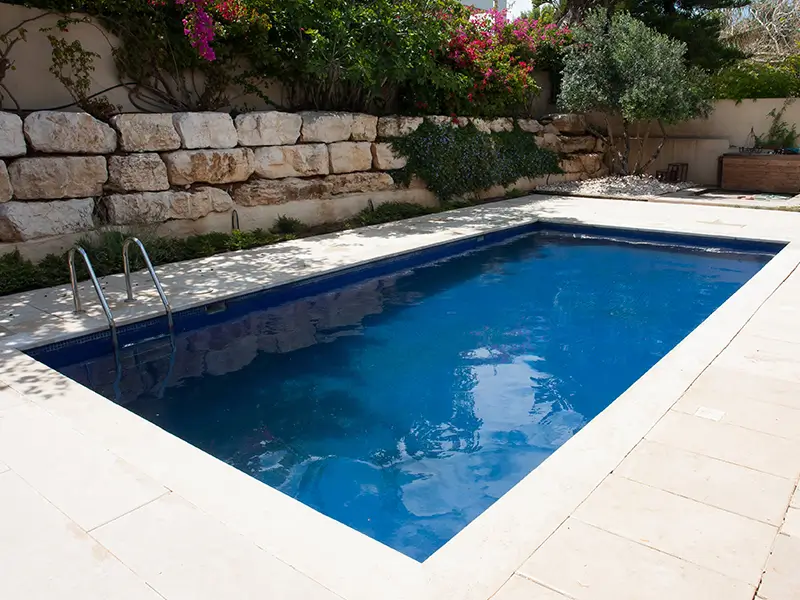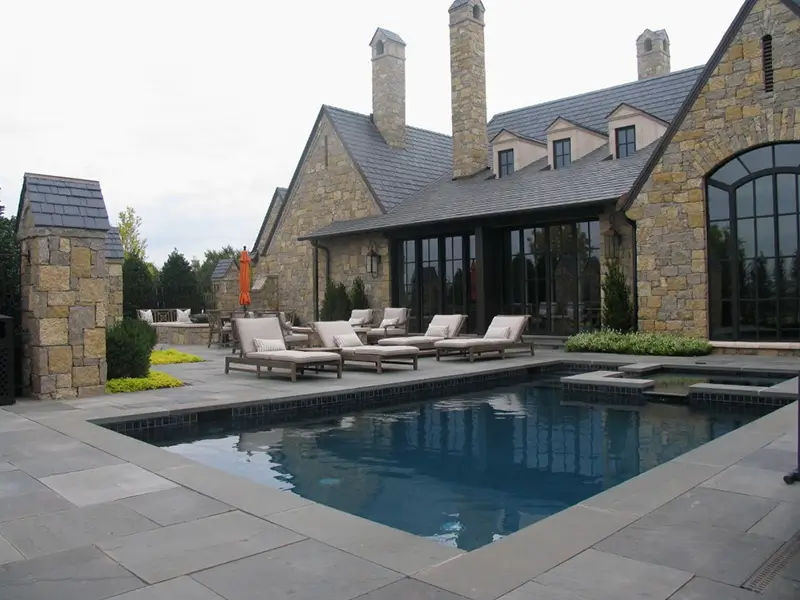
The perimeter of your swimming pool is more than just a decorative border; it is a functional safety feature and a structural necessity. This specialized masonry, known as coping, separates the pool structure from the surrounding deck or patio. Because of its constant exposure to chemically treated water, varying weather patterns, and foot traffic, maintaining its integrity is paramount. Learning how to clean and maintain your stone pool coping is the best way to ensure your outdoor oasis remains both beautiful and safe for years to come.
Proper maintenance begins with understanding the material. Natural stone is porous, meaning it can absorb minerals, salts, and organic matter if left neglected. In the unique climate of the southern plains, where wind-blown dust and high mineral content in the water are common, a regular cleaning schedule prevents permanent staining and structural degradation.
Why Regular Maintenance Matters for Stone Pool Coping
Regularly cleaning the area surrounding your pool does more than just enhance visual appeal. It serves several practical purposes that protect your financial investment in your property.
Preventing Organic Growth
Algae, moss, and mildew thrive in moist environments. If these organisms are allowed to take root in the pores of the pool rock Oklahoma City, they can create slippery surfaces and cause discoloration. Over time, organic growth can even lead to micro-cracking as roots expand within the stone’s structure.
Protecting Against Chemical Buildup
Chlorine, salt, and other pool chemicals are necessary for water hygiene but can be harsh on natural surfaces. When water splashes onto the coping and evaporates, it leaves behind concentrated chemical residues. If not rinsed away, these deposits can etch the surface of the stone, leading to a dull, pitted appearance.
Maintaining Slip Resistance
The texture of your coping is a vital safety feature. Dirt, oils from sunscreen, and biological film can fill in the natural “grip” of the stone, making it dangerously slick when wet. By keeping the stone clean, you maintain the friction necessary for safe entry and exit from the water. For homeowners looking for high-quality materials that retain their texture, sourcing pool stone Oklahoma City ensures you have a product suited for these demands.
Essential Supplies for Cleaning Natural Stone
Before you begin the cleaning process, gather the right tools. Using the wrong equipment, such as wire brushes or acidic cleaners, can cause irreparable damage to natural limestone or sandstone.
- Soft-bristled Nylon Brush: Avoid metal bristles that can scratch the stone or leave behind metal particles that rust.
- pH-Neutral Stone Cleaner: Specialized cleaners are designed to break down oils without damaging the stone’s mineral bond.
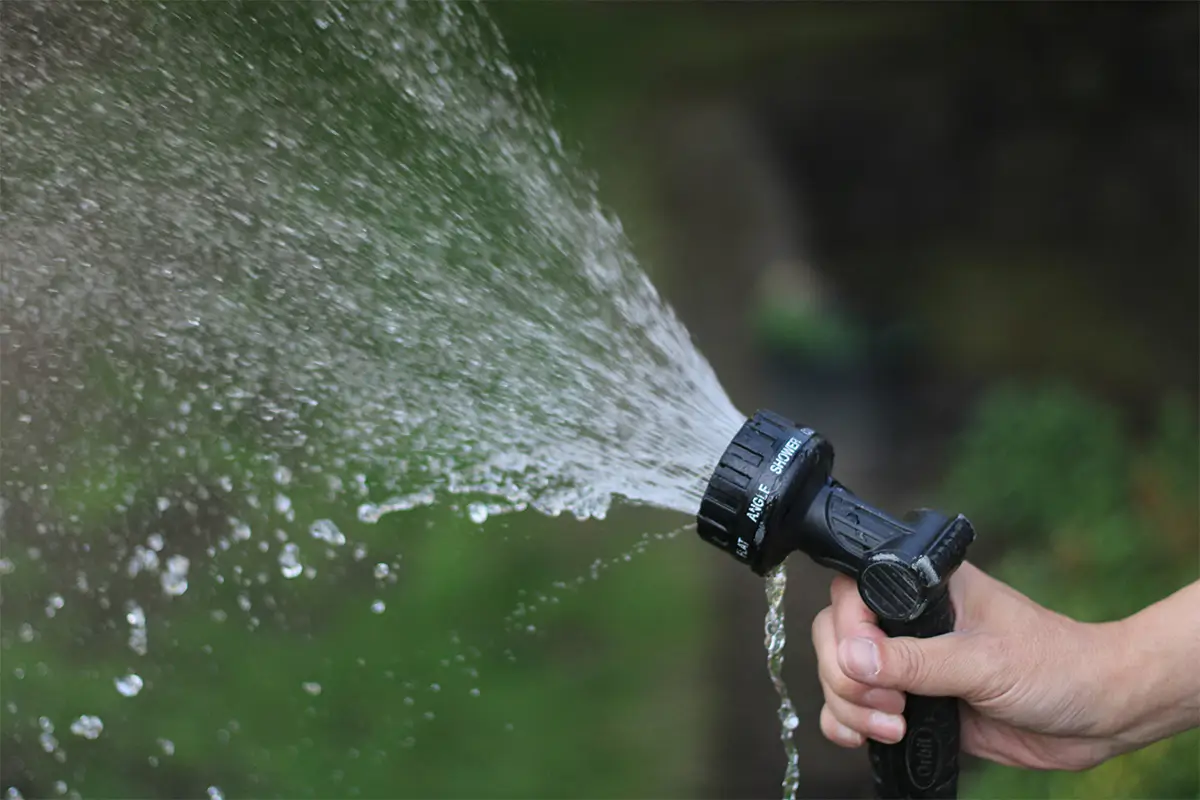
- Garden Hose with Spray Nozzle: A standard hose is usually sufficient for regularly maintaining your pool rock Oklahoma City.
- Mild Dish Soap: For light cleaning, a non-acidic, biodegradable dish soap is a safe alternative.
- Bucket and Microfiber Cloths: Useful for localized scrubbing and drying.
A Step-by-Step Guide to Cleaning Your Stone Pool Coping
To achieve the best results without damaging the masonry, follow a systematic approach that moves from the gentlest methods to more targeted deep-cleaning techniques.
1. Clear Debris and Rinse
Start by sweeping or blowing away loose leaves, dirt, and sand. Once the surface of your pool stone Oklahoma City is clear, rinse the coping thoroughly with fresh water. This removes loose surface contaminants and prevents you from scrubbing abrasive dirt into the stone.
2. Apply a Gentle Cleaning Solution
Mix your pH-neutral cleaner or mild soap with warm water in a bucket. Work in small sections, roughly five to ten feet at a time. to prevent the soapy water from drying on the stone before you have a chance to scrub and rinse.
3. Scrubbing Technique
Using your nylon brush, scrub the stone in a circular motion. Focus on areas where you see visible water lines or “tide marks.” These are usually the result of calcium deposits or body oils. If you encounter stubborn spots, allow the cleaning solution to sit on the stone for five minutes before scrubbing again.
4. Rinse Thoroughly
Rinse the section immediately after scrubbing. Ensure all suds are washed away, as dried soap can leave a film that actually attracts more dirt in the future. If you are using pool rock Oklahoma City for your water features or coping, you will notice that natural stone responds beautifully to this simple, non-aggressive care.
Dealing With Tough Stains
Sometimes, standard soap isn’t enough to tackle specific types of discoloration. Here is how to handle more difficult issues:
Calcium Scale and Efflorescence
White, powdery, or crusty deposits are often calcium. These occur when mineral-rich water evaporates. While some people suggest vinegar, the acid in vinegar can etch limestone. Instead, use a professional-grade “calcium and lime” remover specifically labeled as safe for natural stone.
Rust Stains
Rust can occur if metal patio furniture or hairpins are left on the wet pool stone Oklahoma City. Rust requires a specialized stone poultice or a non-acidic rust remover. These products draw the iron oxide out of the stone’s pores without dissolving the stone itself.
Algae and Mold
For organic stains, a solution of one part bleach to ten parts water can be used sparingly. However, always test this in an inconspicuous area first, and ensure you rinse the area extensively so the bleach does not drastically alter the chemistry of your pool water.
To Power Wash or Not?
Pressure washing is a tempting shortcut, but it must be approached with extreme caution. High-pressure streams can strip the finish off natural stone, blow out mortar joints, and increase the porosity of the material. If you choose to use a power washer, keep the pressure below 1,500 PSI and use a wide-angle fan tip (usually 40 degrees). Never point the nozzle directly at the grout lines, as this can dislodge the mortar and lead to structural instability.
Long-Term Maintenance and Protection
Cleaning is only half the battle; protection is the other. Once your stone pool coping is clean and dry, consider the following preventative measures:
- Post-Swim Rinses: Get into the habit of rinsing the coping with a garden hose after heavy pool use. This prevents salt or chlorine from sitting on the stone for extended periods.
- Managing Landscape Runoff: Ensure your gutters and flower beds aren’t draining dirt and mulch tannins directly onto the coping during rainstorms.
Frequently Asked Questions
How often should I clean my stone pool coping?
For most homes, a thorough cleaning every three to four months is ideal. However, a quick rinse once a week during the peak swimming season will prevent the need for heavy scrubbing later.
Can I use a pressure washer on limestone coping?
Limestone is softer than granite. While it can be pressure washed, it should only be done at low settings. Excessive pressure will “etch” the stone, creating a rough texture that actually traps more dirt in the long run.
Is salt water harder on stone than chlorine?
Yes, salt-water systems can lead to “salt attack,” where salt crystals form inside the stone’s pores and expand, causing the surface to flake or spall. If you have a salt-water pool, choosing a dense pool stone Oklahoma City is vital.
Why is my stone turning yellow?
Yellowing is often caused by the oxidation of iron minerals within the stone or the buildup of certain sunscreens and body oils. A deep clean with a pH-neutral degreaser usually resolves the issue.
Your Partner for Stone Pool Coping
Maintaining a beautiful pool area requires the right knowledge and the highest quality materials. While cleaning is essential, the longevity of your pool perimeter starts with the quality of the stone you install. At Richburg Stone, we understand the unique environmental factors that affect masonry in our region. We offer a premier selection of pool rock Oklahoma City and coping options designed to withstand the test of time, chemicals, and weather.
As your trusted local experts, we don’t just supply stone; we provide the guidance necessary to keep your outdoor spaces in pristine condition. From selecting the perfect lueders limestone to advising on the best maintenance practices, Richburg Stone is dedicated to the success of your project.
Ready to upgrade your pool area with the natural beauty and durability of authentic stone? Contact us today for your upcoming renovation or new build.