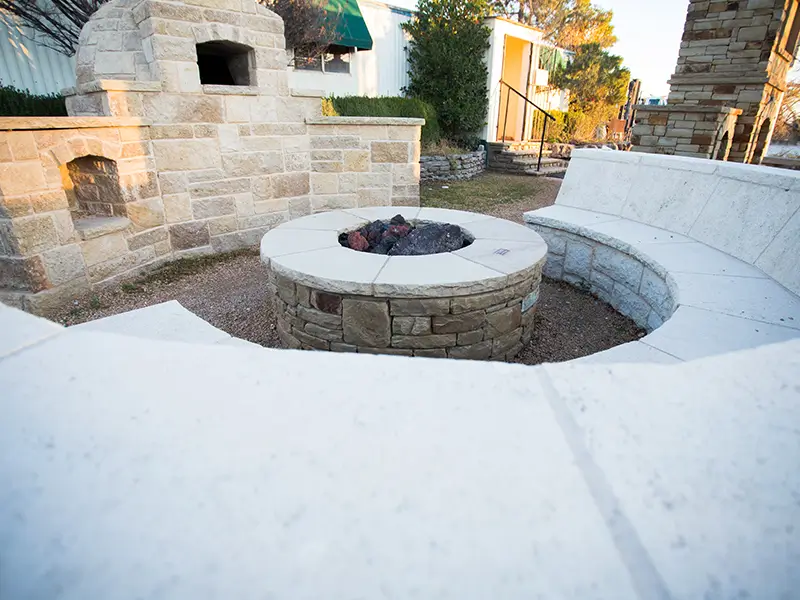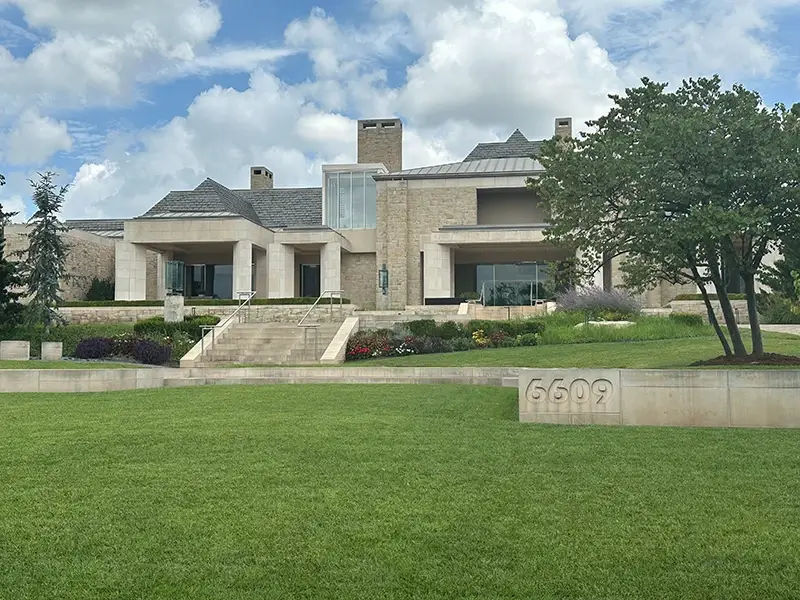
When homeowners, builders, and designers choose natural stone, longevity is often one of the first questions. Limestone has been used for centuries in residential and commercial construction because of its durability, consistency, and timeless appearance. Whether you are considering charcoal lueders stone, buff lueders stone, or other variations of lueders limestone, understanding lifespan helps you plan with confidence.
Limestone is not a short-term design decision. Properly selected and installed, it can last for generations. The exact lifespan depends on factors such as climate, application, finish, installation quality, and maintenance. With the right conditions, limestone can easily last 50 to 100 years or more.
What Is Lueders Limestone?
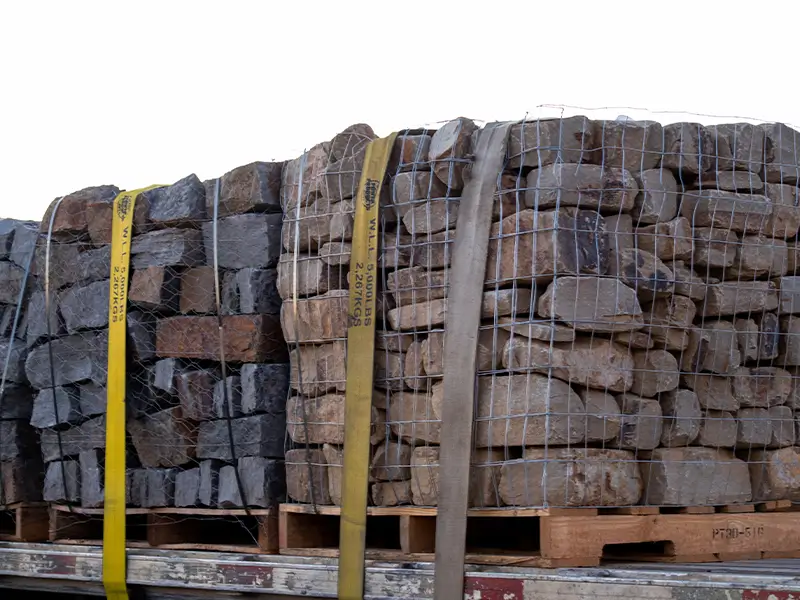
Lueders limestone is a premium limestone quarried in Texas and widely used across Oklahoma and surrounding states. Known for its density, consistent texture, and neutral color range, it is one of the most versatile natural stones available.
There are several popular varieties, including:
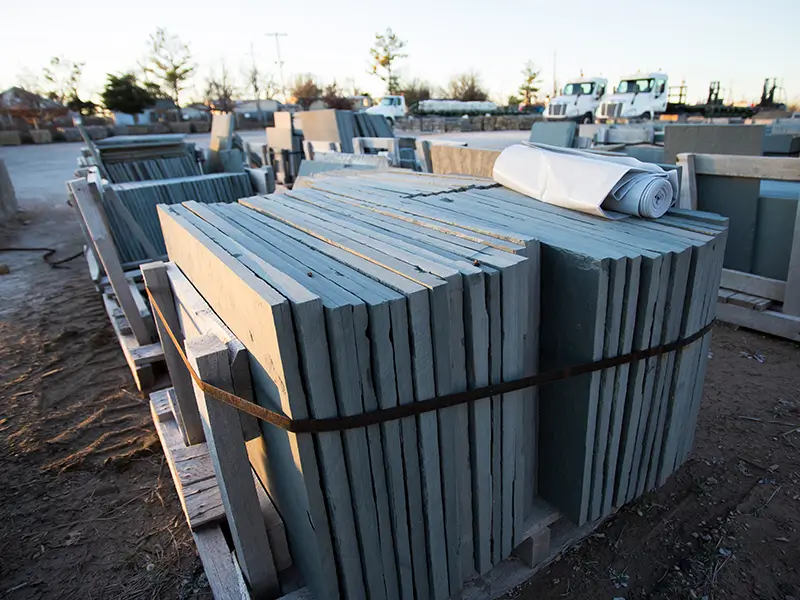
- Charcoal lueders stone: It features a consistent medium-to-dark gray tone that works well in modern and transitional designs. Its sawn top and bottom create clean lines, while subtle natural variation adds depth. This durable option is commonly used for exterior walls, fireplaces, pool coping, and commercial facades.
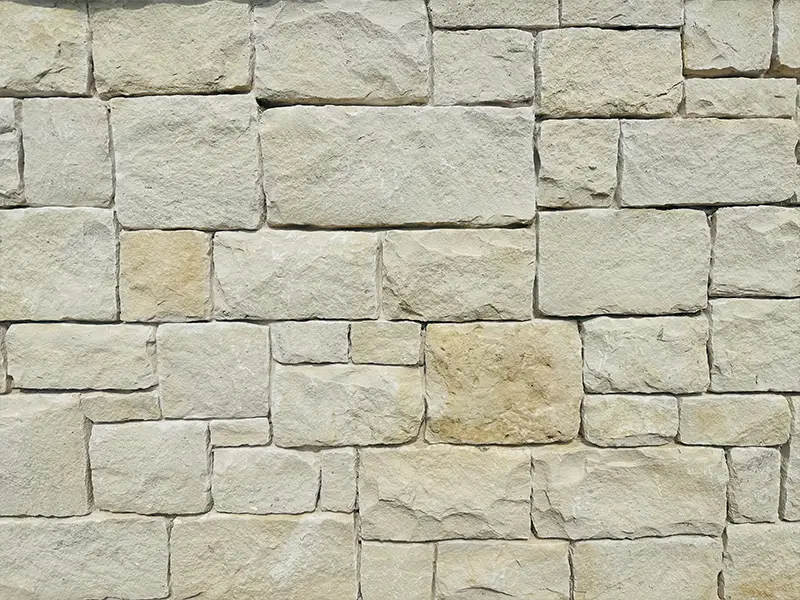
- Buff lueders stone: Buff lueders stone offers warm cream and light tan tones that complement brick, wood, and metal accents. Its neutral palette makes it a popular choice for residential exteriors, farmhouse styles, and outdoor living spaces. The stone’s density and uniform cut support long-term durability in both vertical and horizontal applications.
- Cream and gray blends: Cream and gray blends of limestone combine soft neutral tones to create visual balance and flexibility in design. These mixes allow builders to achieve dimension without overpowering other materials. They work well in both contemporary and traditional projects, offering durability, consistency, and a cohesive finished appearance.
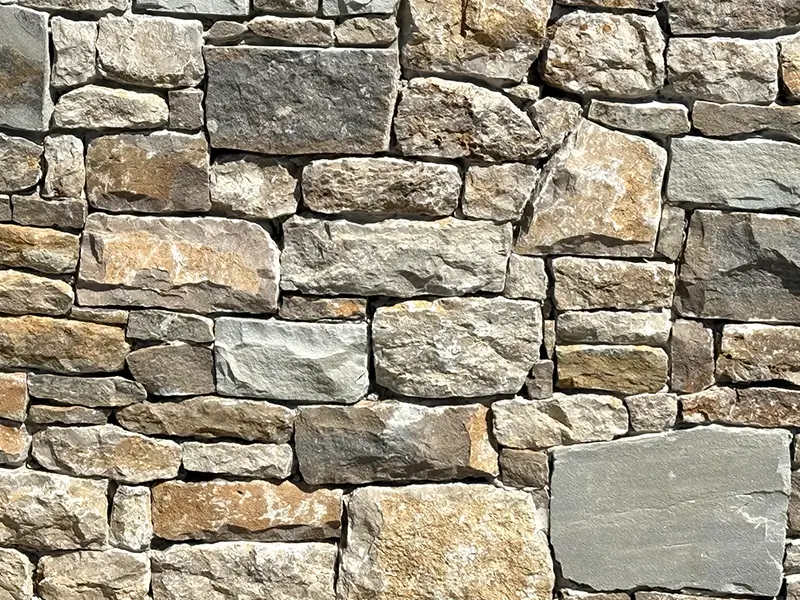
- Rustic or contemporary finishes: Limestone is available in rustic layouts with varied sizes or contemporary patterns featuring longer, linear cuts. Rustic finishes create texture and traditional character, while contemporary styles emphasize clean horizontal lines. Both options maintain the same structural integrity, allowing designers to prioritize aesthetics without compromising performance.
Each variation of limestone offers different aesthetic qualities, but all share strong structural integrity and long-term performance.
How Long Does Limestone Last in Construction?
When installed correctly, limestone can last:
- 50+ years in exterior applications: In exterior settings such as home facades and outdoor living spaces, limestone routinely lasts more than 50 years. Proper drainage, flashing, and mortar selection are essential. When installed to industry standards, the stone maintains both structural integrity and visual consistency despite exposure to heat, moisture, and seasonal weather changes.
- 75–100+ years in structural applications: When used as full-depth building stone, limestone can last 75 to 100 years or longer. Its compressive strength and density allow it to perform reliably in load-bearing conditions. Many commercial and civic structures demonstrate how well properly installed limestone withstands decades of structural demand and environmental stress.
- Over 100 years in protected interior settings: In interior applications such as feature walls and fireplaces, limestone may exceed a century of service life. Because it is shielded from harsh weather, deterioration occurs very slowly. With minimal maintenance, the stone retains its texture, color, and structural stability for generations within controlled environments.
Historic buildings across the United States prove that limestone is capable of exceptional longevity. Many structures built with limestone in the 1800s are still standing today.
The durability of limestones makes them especially suitable for:
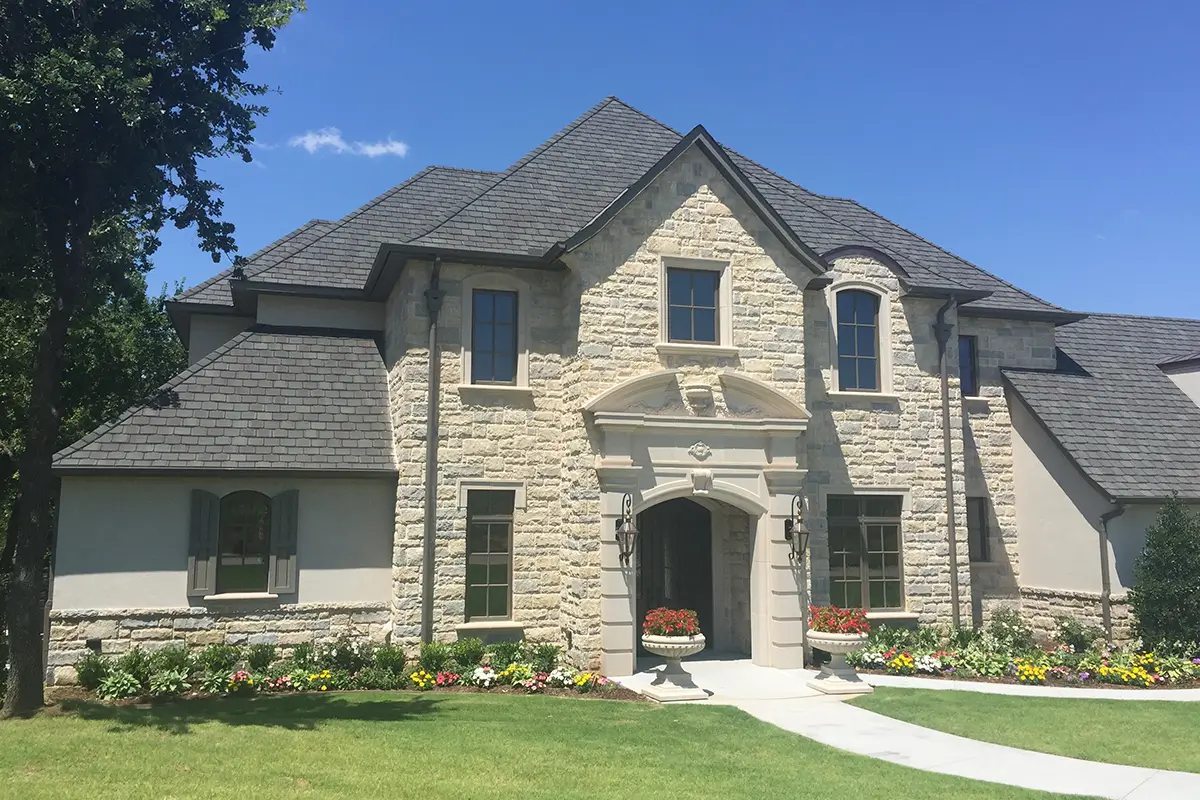
- Exterior walls: Both charcoal lueders stone and buff lueders stone perform exceptionally well on exterior walls. Their density helps resist moisture penetration, while proper installation supports long-term stability. These stones maintain structural strength and visual appeal even after decades of sun exposure, seasonal temperature shifts, and routine environmental wear.
- Fireplaces: Limestone has long been used for fireplaces because of its ability to handle consistent heat exposure. They provide both durability and design flexibility. When properly constructed, limestone fireplace surrounds and facings remain structurally sound and visually consistent for many decades of regular use.
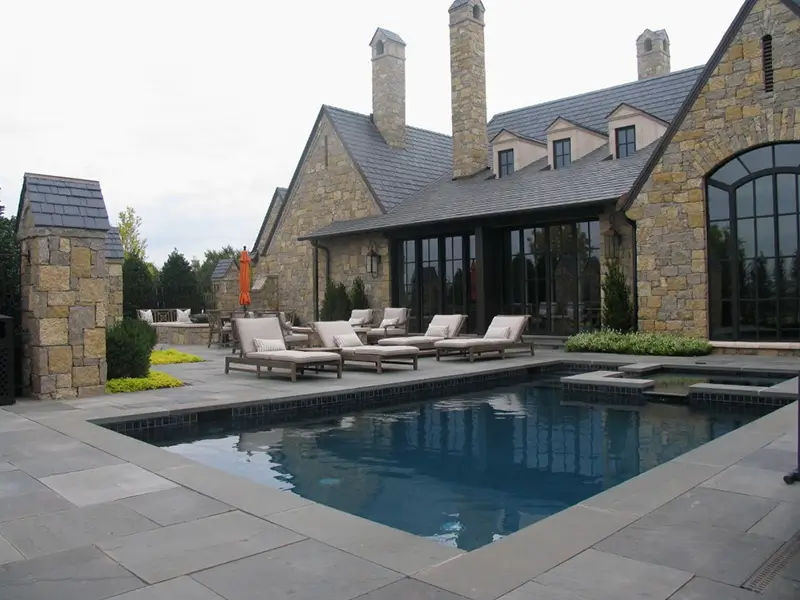
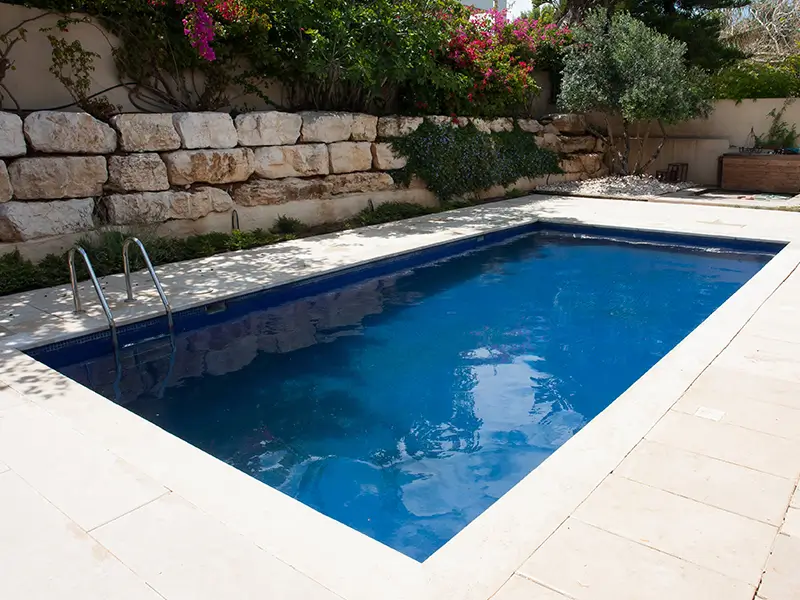
- Pool coping: Around pools, limestone must withstand moisture, foot traffic, and temperature variation. When properly installed and maintained, it can last for decades in these demanding conditions. Routine maintenance and appropriate installation methods ensure the coping remains stable, slip-resistant, and visually cohesive over time.
- Patios: Limestone patios experience daily foot traffic, weather exposure, and seasonal expansion and contraction. When installed over a stable base, these provide long-term durability. Their natural density and thickness allow them to maintain performance and appearance through years of consistent outdoor use.
- Commercial facades: Commercial buildings require materials that offer both longevity and structural reliability. Meet these expectations, delivering decades of performance when installed correctly. Their uniformity, strength, and low maintenance needs make them dependable options for long-term commercial exterior applications.
Factors That Affect How Long Lueders Limestone Lasts
1. Installation Quality
Proper installation is critical. Even the highest-quality lueders limestone can underperform if improperly laid.
Key considerations include:
- Proper drainage behind walls: Adequate drainage is essential for long-term performance. Moisture trapped behind stone can lead to deterioration, mortar damage, or structural issues over time. Installing proper flashing, weep systems, and moisture barriers ensures that lueders limestone remains dry and stable, protecting both the stone and the underlying structure.
- Correct mortar selection: Using the appropriate mortar type is critical when installing. Mortar must be compatible with limestone’s density and expansion characteristics. A mortar that is too strong or too weak can cause cracking or joint failure, reducing the lifespan of the stone installation.
- Expansion joints where needed: All building materials expand and contract with temperature changes. Incorporating expansion joints allows limestone to move naturally without placing stress on the stone or mortar joints. Proper spacing and placement of these joints prevent cracking and ensure the structure maintains integrity over time.
- Stable foundation and substrate: A solid foundation is necessary for long-term durability. Charcoal lueders stone performs best when installed over a properly prepared substrate that can support its weight. Movement in the base material can lead to shifting, cracking, or joint separation, ultimately affecting the lifespan of the stone application.
Professional installation ensures charcoal lueders stone performs as intended.
2. Climate Conditions
Limestone performs very well in Oklahoma and Texas climates. It tolerates:
- Heat: Limestone performs well in high-heat environments, particularly in Oklahoma and Texas climates where summer temperatures can be intense. Its natural density helps it withstand prolonged heat exposure without structural breakdown. When properly installed, limestone maintains its integrity and does not warp, soften, or deteriorate under normal seasonal temperature conditions.
- Sun exposure: Extended sun exposure does not significantly compromise the structural performance of limestone. While subtle color softening may occur over time, especially on lighter varieties, the stone remains stable and durable. Proper installation and occasional cleaning help preserve appearance, ensuring the material continues to perform well in direct sunlight for decades.
- Freeze-thaw cycles (when properly installed): In regions that experience seasonal freezing, limestone can withstand freeze-thaw cycles when installed correctly. Proper drainage, appropriate mortar selection, and minimizing water absorption are critical. Dense varieties like limestone are less susceptible to cracking, making them suitable for exterior applications in climates with moderate winter conditions.
- Wind and storms: Limestone offers strong resistance to wind and severe weather when securely installed. Its weight and structural density provide stability in high-wind conditions. While mortar joints should be inspected periodically, the stone itself does not typically suffer damage from storms, making it a dependable choice for exterior walls and façades.
Because buff lueders stone and charcoal lueders stone are relatively dense compared to softer limestones, they handle outdoor conditions better than many alternatives.
3. Application Type
Limestone lifespan depends significantly on how and where it is used. Different applications expose the stone to varying levels of weather, moisture, structural load, and foot traffic, all of which influence durability. Below is a closer look at how long each common application can perform.
- Exterior Veneer: Properly installed limestone veneer can last 50–75 years or longer. Because veneer is lighter and attached to a structural wall, proper flashing, drainage, and mortar selection are essential. When installed by experienced professionals, veneer applications maintain both structural integrity and visual appeal for decades.
- Full-Depth Structural Stone: Full building stone applications often exceed 75 years and can last well over a century. Because the stone serves as a substantial exterior surface, correct foundation support and joint spacing are critical. When properly engineered, full-depth limestone offers exceptional strength and long-term durability.
- Interior Walls and Fireplaces: Protected interior applications may last more than 100 years. Without constant exposure to weather, moisture, or freeze-thaw cycles, limestone maintains its structural stability and color consistency. Interior fireplaces and feature walls typically require minimal maintenance beyond occasional cleaning and mortar inspection.
- Pool Coping and Patios: When properly installed and maintained, charcoal lueders stone performs extremely well in high-traffic areas such as patios and pool decks. Its density helps resist surface wear, while proper drainage reduces water-related stress. With routine care, these applications can remain structurally sound and visually consistent for decades.
4. Maintenance Practices
Natural stone does not require constant upkeep, but some maintenance extends lifespan:
- Periodic cleaning
- Avoiding harsh acidic cleaners
- Addressing mortar cracks early
Proper care helps limestones maintain appearance and durability for decades.
Why Lueders Limestone Is Known for Longevity
Dense Composition
Compared to softer limestone varieties, lueders limestone is relatively dense. This density reduces water absorption and surface erosion.
Consistent Quarrying Standards
High-quality quarrying practices produce uniform blocks. Both buff lueders stone and charcoal lueders stone are known for consistency in:
- Thickness
- Surface texture
- Structural integrity
Proven Track Record
Architects and builders repeatedly choose lueders limestone because it has demonstrated long-term performance in both residential and commercial projects.
How Long Does Charcoal Lueders Stone Last?
Charcoal lueders stone is one of the most popular modern limestone options. Its medium gray tone works well in contemporary and transitional designs. Because it shares the same structural properties as other forms of limestone, its lifespan is comparable. The darker coloration can also help conceal minor weathering over time, making it a practical choice for high-visibility areas.
How Long Does Buff Lueders Stone Last?
Buff lueders stone features warm cream and tan tones. It is commonly used for:
- Residential exteriors
- Outdoor fireplaces
- Farmhouse-style homes
- Commercial buildings
Structurally, buff lueders stone performs the same as charcoal lueders stone, offering decades of durability when installed properly. Because buff lueders stone reflects more sunlight than darker varieties, it can remain cooler in certain outdoor settings, which may reduce thermal stress.
Exterior Lifespan of Lueders Limestone
- Walls and Building Facades: Exterior walls built with lueders limestone routinely exceed 75 years. Proper flashing, drainage, and mortar selection are key.
- Outdoor Kitchens and Fireplaces: Heat exposure does not significantly impact when properly installed. Limestone performs well in outdoor fireplace applications.
- Pool Coping and Patios: In pool environments, Lueders limestone must withstand moisture, foot traffic, and temperature changes. With correct installation, proper drainage, and routine maintenance, it can last several decades without structural failure.
Interior Lifespan of Lueders Limestone
Interior applications often last even longer because they avoid extreme weather exposure.
Common interior uses include:
- Feature walls
- Fireplaces
- Stone Flooring
- Commercial accent walls
In these conditions, buff lueders stone and charcoal lueders stone may last well over 100 years.
Understanding ASTM Standards for Limestone
ASTM International, formerly called the American Society for Testing and Materials, is responsible for establishing and issuing technical standards for various industries and a wide range of materials, including limestone. These standards provide guidelines for testing the physical and mechanical properties of limestone, ensuring its quality and performance.
Relevant ASTM Standards
Some relevant ASTM standards for limestone include:
- ASTM C568: Standard Specification for Limestone Dimension Stone.
- ASTM C97: A standardized testing method used to evaluate the water absorption rate and bulk specific gravity of natural dimension stone.
- ASTM C170: Standard Test Method for Compressive Strength of Dimension Stone.
Importance of Adhering to Standards
Adhering to ASTM standards ensures that the limestone used in your project meets certain quality and performance requirements. This can help to ensure its longevity and prevent premature failure.
Maintenance Tips to Extend the Life of Lueders Limestone
- Clean gently with pH-neutral cleaners.
- Avoid acidic products.
- Inspect mortar joints annually.
- Address drainage issues quickly.
- Repair minor cracks or loose stones promptly.
These steps help preserve both buff lueders stone and charcoal lueders stone for decades.
FAQs About Limestone Longevity
Does lueders limestone crack easily?
No. When properly installed over a stable substrate with appropriate drainage and expansion allowances, lueders limestone is highly durable and resistant to cracking. Structural movement, improper installation, or poor foundation preparation are typically the causes of cracks not the stone itself. Correct installation significantly reduces long-term risk.
Will charcoal lueders stone fade?
Charcoal lueders stone is naturally colorfast and performs well in exterior conditions. Over time, slight softening or patina development may occur due to sun and weather exposure, but dramatic fading is uncommon. Its medium-gray tone tends to age evenly, maintaining a consistent and attractive appearance for decades.
Is buff lueders stone good for high-traffic areas?
Buff lueders stone is naturally colorfast and performs well in exterior conditions. Over time, slight softening or patina development may occur due to sun and weather exposure, but dramatic fading is uncommon. Its medium-gray tone tends to age evenly, maintaining a consistent and attractive appearance for decades.
How should Lueders limestone be maintained for long-term durability?
Lueders limestone requires simple, consistent maintenance to preserve its appearance and performance. Routine cleaning with pH-neutral products, proper drainage to prevent moisture buildup, and annual inspection of mortar joints help prevent premature wear. Addressing minor cracks or movement early ensures the stone remains structurally sound and visually consistent for decades.
Signs of Properly Installed Limestone
- Even mortar joints
- Stable foundation
- Proper flashing
- Consistent stone thickness
Quality installation ensures charcoal lueders stone and buff lueders stone reach their full lifespan potential.
Long-Term Value of Lueders Limestone
Choosing lueders limestone is not simply about appearance. It is an investment in:
- Structural stability
- Low maintenance
- Timeless design
- Increased property value
Both buff lueders stone and charcoal lueders stone continue to be specified by architects because they balance longevity with aesthetic flexibility.
Why Builders Continue Choosing Charcoal and Buff Lueders Stone
Builders often prefer charcoal lueders stone, a premium natural stone limestone, for contemporary projects that emphasize clean lines and structured design. Its consistent gray tone works especially well in modern facades, horizontal layouts, and pool coping where a sleek finish is desired. In contrast, buff lueders stone, another highly regarded natural stone limestone, is frequently selected for traditional exteriors, farmhouse designs, and projects requiring warm, neutral palettes. Its soft cream and tan hues blend easily with brick, wood, and other materials. Both options are trusted forms of limestone, valued for their durability, versatility, and long-term performance in residential and commercial construction.
How Long Does Limestone Last?
When properly installed and maintained, limestone can last 50 to 100 years or more. Applications using charcoal lueders stone and buff lueders stone consistently demonstrate long-term structural performance in Oklahoma and surrounding regions. Limestone is not a temporary solution. It is a building material chosen for permanence.
For durable and beautiful charcoal Lueders stone and buff Lueders stone, look no further than Richburg Stone. With a wide selection of high-quality limestone and expert guidance, we can help you choose the perfect stone for your project and ensure its lasting beauty and performance. Contact us today to discuss your needs and discover the possibilities.