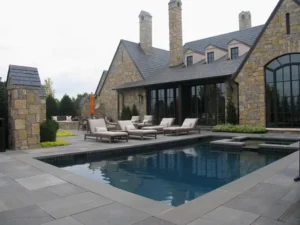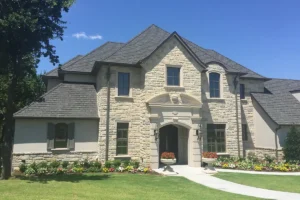
A well-designed swimming pool is more than a place to cool off—it becomes the centerpiece of your outdoor living space. Every design decision, from the pool’s shape to the surrounding hardscape, contributes to its appearance, functionality, and longevity. Choosing the right flagstone pool coping is one of the most important decisions because it influences safety, durability, and the overall style of your backyard.
Whether you’re building a new pool or updating an existing one, understanding how different natural stone options work together can help you create a timeless design that complements your home.
Start With the Purpose of Your Pool
Before selecting materials, think about how you plan to use your pool. A family recreation space may have different priorities than a pool designed for entertaining or creating a resort-inspired retreat.
Questions worth considering include:
- Will the pool primarily be used for relaxation or exercise?
- Do you want the surrounding areas for dining or lounging?
- Will children frequently use the pool?
- How much maintenance are you comfortable with?
Answering these questions early helps narrow your design choices and ensures every feature serves a purpose.
Choosing the Right Pool Shape and Layout
The shape of your pool should complement both your home’s architecture and the available outdoor space.
Some popular design styles include:
- Classic rectangular pools for traditional and contemporary homes
- Freeform pools that blend naturally into landscaped settings
- Geometric designs that create clean, modern lines
- Courtyard pools that maximize smaller outdoor spaces
Beyond the pool itself, think about traffic flow. Walkways, seating areas, outdoor kitchens, and landscaping should work together to create a functional outdoor environment instead of competing for space.
Why Natural Stone Remains a Popular Choice
Natural stone has remained a preferred building material because it combines durability with timeless beauty. Unlike manufactured materials that may fade or lose character over time, each piece of natural stone offers unique color variation and texture.
For pool projects, stone offers several practical advantages:
- Excellent durability
- Natural resistance to outdoor weather conditions
- A variety of colors and textures
- Compatibility with traditional and contemporary designs
- Long-lasting visual appeal
Because every project is unique, selecting the right stone involves balancing appearance with the demands of your specific environment.
Selecting the Best Stone Pool Coping
The coping forms the finished edge around the pool, creating a transition between the water and the surrounding deck. It also provides a comfortable surface where swimmers enter and exit the pool.
When evaluating coping materials, consider:
- Surface texture for secure footing
- Color coordination with decking and landscaping
- Edge profile
- Overall durability
- Long-term maintenance requirements
Natural stone remains one of the most versatile choices because it offers both performance and design flexibility without sacrificing character.
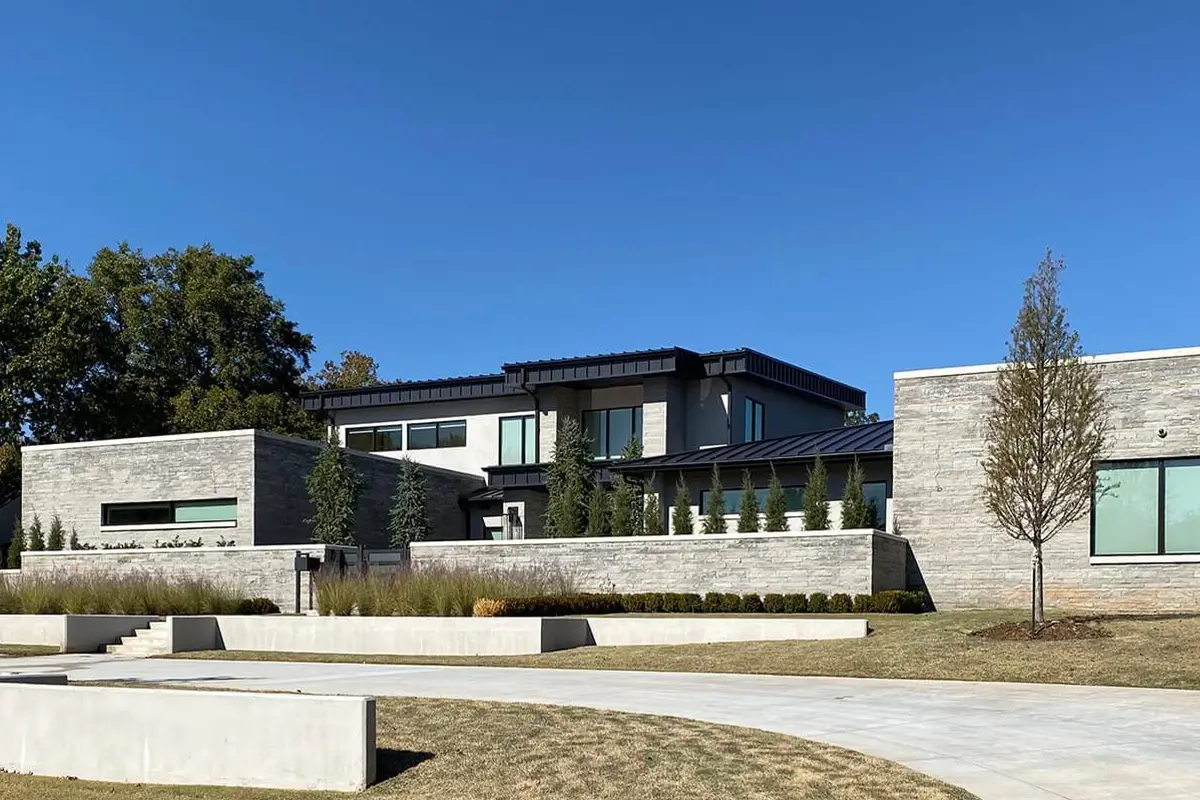
Designing Around Your Pool
A successful pool design extends beyond the water itself. The surrounding landscape is equally important in defining the overall design aesthetic, creating a cohesive outdoor space.
Consider incorporating:
- Stone patios
- Outdoor fireplaces
- Retaining walls
- Raised planting beds
- Seating walls
- Water features
Using complementary natural stone throughout the landscape helps tie these elements together while creating visual continuity across the property.
Why Homeowners Choose Lueders Coping
For homeowners seeking a clean, sophisticated appearance, Lueders coping offers exceptional versatility. This limestone is known for its consistent texture and neutral color palette, making it easy to pair with a wide variety of architectural styles.
Its subtle tones complement materials such as brick, wood, stucco, and metal, allowing the pool area to feel integrated with the rest of the home rather than separate from it.
Because of its refined appearance, Lueders limestone is frequently selected for contemporary homes as well as classic designs that emphasize understated elegance.
Coordinating Stone Colors and Finishes
Natural stone should enhance—not overwhelm—the surrounding architecture.
A few design guidelines include:
- Light-colored stone can make smaller spaces feel larger.
- Gray and charcoal tones pair well with modern homes.
- Warm buff and tan stones complement traditional architecture.
- Mixed color palettes create a more rustic appearance.
- Consistent finishes produce a clean, unified design.
Viewing stone in natural daylight before making a final selection helps ensure the colors work well with your home’s exterior materials.
Why Flagstone Pool Coping Continues to Stand Out
Many homeowners appreciate flagstone for its natural appearance and excellent design flexibility. Each piece features distinctive textures and color variation that create visual interest without appearing overly uniform.
Flagstone works equally well in rustic landscapes, transitional homes, and more contemporary outdoor environments. Its organic character allows it to blend seamlessly with gardens, natural landscaping, and outdoor living spaces.
With thoughtful installation, flagstone coping creates an inviting border that enhances both the pool and the surrounding landscape.
Planning for Long-Term Performance
Every outdoor environment presents different challenges, from changing temperatures to frequent foot traffic. Selecting quality materials from the beginning helps reduce future maintenance and supports lasting performance.
During the planning process, consider:
- Local climate conditions
- Drainage around the pool
- Deck expansion joints
- Slip resistance
- Material thickness
- Professional installation
Attention to these details contributes to both the appearance and durability of the finished project.
Bringing the Entire Outdoor Space Together
A successful swimming pool design feels intentional from every angle. Instead of viewing the pool as a standalone feature, think of it as one part of a larger outdoor living experience.
Natural stone can be carried throughout the property by using matching materials for patios, fireplaces, outdoor kitchens, garden walls, and pathways. This creates a cohesive design that feels balanced and welcoming while adding lasting value to your home.
Selecting the right stone pool coping, along with complementary hardscape materials, helps establish a timeless outdoor environment that you’ll enjoy for years to come.
Frequently Asked Questions
Is natural stone a good choice for swimming pools?
Yes. Natural stone offers durability, timeless beauty, and a wide range of colors and textures that perform well in outdoor environments when properly installed.
What makes Lueders coping a popular option?
Lueders limestone is valued for its consistent appearance, neutral color palette, and versatility. It complements many architectural styles while providing a clean, refined finish around the pool.
Does flagstone pool coping work with modern homes?
Absolutely. While flagstone is often associated with rustic landscapes, a wide variety of features subtle colors and clean edges that pair beautifully with contemporary architecture.
Create a Pool Design That Lasts
The best pool designs balance aesthetics, functionality, and quality materials. From selecting the right layout to choosing durable natural stone finishes, every decision contributes to an outdoor space that remains beautiful for years to come.
At Richburg Stone, we help homeowners, builders, architects, and designers find natural stone that fits their vision and project requirements. Whether you’re exploring flagstone, comparing natural stone options, or looking for expert guidance on your next outdoor project, our team is here to help you select materials that combine lasting performance with timeless appeal. Contact us or visit our stone yard to explore our extensive selection of premium natural stone.