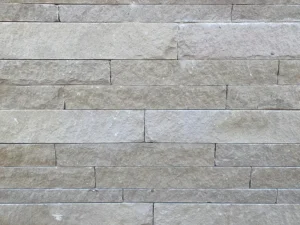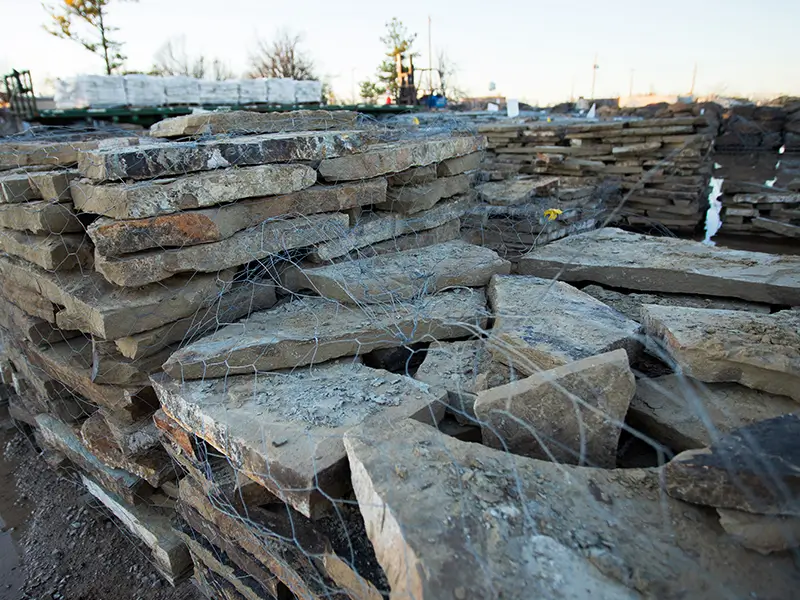
Natural stone surfaces, including high-end lueders stone countertop installations and striking natural rock stone features, add undeniable elegance and value to any property. However, maintaining their pristine condition requires careful consideration of the cleaning products you use. A common question homeowners and contractors ask is: Is vinegar safe for natural stone?
The simple answer is a resounding no. While vinegar is a popular household cleaner for glass or synthetic surfaces, it can cause irreversible damage to various types of masonry. Understanding why this common household acid is harmful—and exploring safer alternatives—is crucial for protecting your residential or commercial investment.
Why Vinegar Damages Natural Rock Stone
The primary reason vinegar is unsafe for masonry is its high acidity. Typically sitting at a pH of 2–3, vinegar is a potent acid in household terms. Many varieties of natural rock stone, particularly limestone, are composed primarily of calcium carbonate. This mineral is highly reactive to acids, essentially acting as a base that dissolves upon contact with low-pH liquids.
The Chemical Process of Etching
When vinegar touches these surfaces, a chemical reaction occurs. The acetic acid dissolves the calcium carbonate on the surface, leading to a process known as etching. Etching appears as dull spots, streaks, or rings that diminish the stone’s natural luster. Because the damage is a physical change to the stone’s surface rather than a simple stain, even diluted vinegar can cause significant harm over time, making a lueders stone countertop look aged and worn prematurely.
Internal Structural Risks
Beyond visible surface damage, acidity can penetrate the microscopic pores of the material. This weakens internal mineral bonds and leads to a loss of structural density. For builders and developers, ensuring that clients understand these risks is essential for the long-term success of any stone-heavy project. High-quality natural stone supplies are durable by nature, but they are not invincible against the corrosive power of common acids.
Types of Stone Vulnerable to Acidity
While all natural rock stones should be treated with care, some are more susceptible to damage due to their specific mineralogy. Understanding the difference between silicious (silica-based) and calcareous (calcium-based) stones is vital for proper maintenance.
Marble and Limestone
Marble is highly porous and primarily composed of calcium carbonate, making it extremely vulnerable to acidic etching. Limestone, a staple of regional Oklahoma architecture, is similarly calcium-based. Whether used for flooring or a lueders stone countertop, limestone reacts quickly to acid, resulting in noticeable texture changes that are difficult to buff out without professional intervention.
Travertine and Onyx
Travertine is characterized by a distinctive pitted surface. Vinegar can penetrate deep into these pores, causing permanent discoloration. Onyx is even more delicate; often used for decorative features or backlit accents, this natural rock stone will lose its translucency and depth if cleaned with acidic solutions, effectively ruining the high-end aesthetic.
Granite and Slate
While granite and slate are more acid-resistant than limestone, prolonged exposure to vinegar can still degrade the finish. Over time, acid eats away at softer minerals within the stone, leading to a “pitted” feel. When you source natural stone supplies, it is always safer to assume that pH-neutral cleaners are the only acceptable option for all varieties.
Despite these maintenance considerations, limestone remains a superior option for most projects due to its unmatched versatility and timeless aesthetic. When sourced from high-quality natural stone supplies, its structural reliability and regional beauty make it a more enduring and practical choice for both residential and commercial applications.
Safe Cleaning Practices to Follow
Given the dangers of vinegar, homeowners and contractors should utilize pH-neutral cleaners specifically formulated for stone care. These products suspend dirt and oils so they can be wiped away without reacting with the mineral components of the stone.
- Use pH-Neutral Cleaners: Exclusively use products labeled for natural rock stone to avoid chemical reactions.
- Dust Regularly: Use a soft, dry cloth to remove loose dirt, preventing abrasive particles from scratching the surface.
- Blot Spills Immediately: Spills from juice, soda, or wine should be blotted immediately. This is especially critical for stone pool coping, where acidic runoff can etch masonry and disrupt the chemical balance of swimming pool water.
- Rinse and Dry: After cleaning a lueders stone countertop, rinse with clean water and dry with a soft cloth to prevent water spots.
- Avoid Abrasives: Never use scouring pads or steel wool, as these create microscopic scratches that harbor dirt.
By following these professional guidelines, you ensure the longevity of the materials provided by your natural stone supplies partner.
Addressing Common Cleaning Misconceptions
A dangerous misconception is that because vinegar is “natural,” it must be safe. In the context of masonry, vinegar is a harsh chemical. For a lueders stone countertop, being “natural” does not prevent an acid from dissolving the minerals that make it beautiful.
Another common error is the belief that diluting vinegar with water makes it safe. While dilution lowers the concentration, the acid is still present and will cause a cumulative “dulling” effect over months of use. It is always best to check with your provider of natural stone supplies for recommended cleaning protocols.
Frequently Asked Questions
Understanding the nuances of natural stone supplies and their long-term care is essential for maintaining the value and beauty of your residential or commercial property.
What types of stone are best for construction?
Limestone, sandstone, and bluestone are among the most durable for Oklahoma’s climate. Choosing the right natural rock stone depends on whether the application is for exterior cladding or interior accents.
How to choose the right stone supplier?
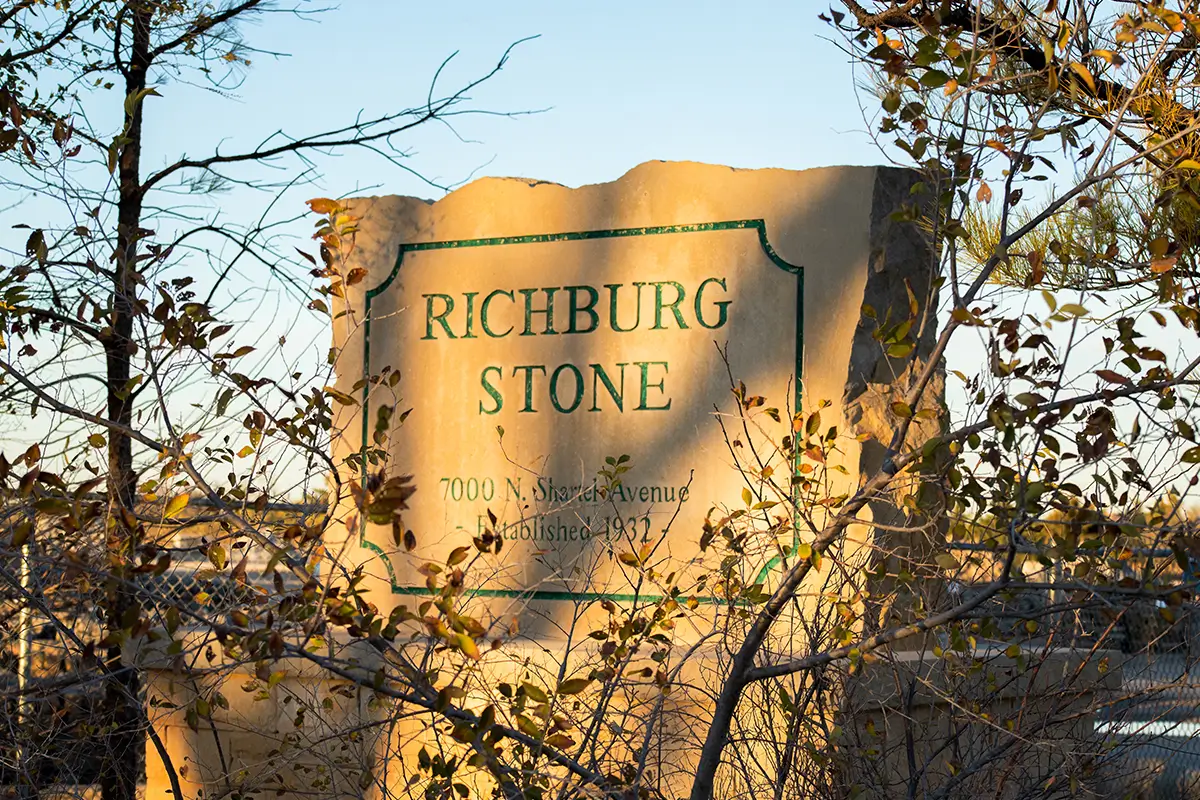
Look for a supplier with deep industry experience. Richburg Stone has been providing natural stone supplies since 1932, offering over 60 selections and customization options for any project scale.
What is a natural thin stone?
Natural thin stone is real stone sawn to a thickness of roughly one inch. It allows the beauty of natural rock stone to be applied to surfaces that cannot support the weight of full-bed masonry, making it perfect for remodels.
Can I use vinegar on any natural stone?
No. Vinegar offers no cleaning benefits that a pH-neutral stone cleaner cannot provide more safely. Using it risks permanent damage to the stone’s finish and structural integrity.
Choosing Richburg Stone for Your Project
The long-term performance of your stone is often decided by the maintenance habits established in the first few months of ownership. Whether you are managing a residential renovation or a large-scale commercial project, specialized care is required to maintain the unique beauty of natural masonry.
Richburg Stone offers an extensive selection of high-quality natural rock stone for any application. Whether you are looking for a durable lueders stone countertop or specialized landscaping materials, we provide the expertise to ensure a successful outcome. By choosing the right natural stone supplies from the start and following through with correct maintenance, you ensure your investment remains a source of pride for generations.
Contact us today to explore our inventory!